



Mobilize.
Unite.
Innovate.
Undertake.

What is the Vallée de la Transition Énergétique?
Driven by the desire to accelerate and successfully achieve the energy transition while reducing the environmental footprint of their urban, industrial, and port areas, the cities of Bécancour, Shawinigan, and Trois-Rivières are joining forces around a collective proposal aimed at achieving a sustainable transition that matches their ambitions and those of Quebec. Together, they aspire to establish a research ecosystem and provide innovative, technological, and economic solutions in response to societal and ecological challenges.

Our mission
Initiate, develop, and promote energy transition innovations for a world-class economy in a sustainability-focused living environment.
Our development sectors
The VTE intends to become a national and global reference in research, development, industrialization and promotion of innovation resulting from its technological axes, in addition to promoting its commercialization. We intend to position the province of Québec and its assets in an emerging market.

The processing of Critical and Strategic Materials (CSM) and the battery industry
- Valorization of critical and strategic minerals and optimization of electrochemical processes;
- Reconditioning, reuse, and recycling of batteries;
- Eco-design and optimization of future next-generation batteries.

The electrification sector
- Energy storage – batteries and other technologies
- Development/integration of components, innovative systems (software, AI), charging (V2G, ERS, etc.) and electrification
- Transport electrification and sustainable mobility (integrators and manufacturers of electric kits)
- Renewable energy production (solar, wind, etc.)
- Energy efficiency

The hydrogen sector and the decarbonization of industrial activities and heavy transport
- Industrial and port decarbonization technologies;
- Logistics and decarbonized systems for heavy industry, port operations, and heavy transport;
- Production, storage, distribution technologies, and use of renewable and low-carbon hydrogen in the industrial and port chain;
- CO2 capture and utilization technologies;
- Synthetic fuels (SAF, green methanol, e-diesel, e-gasoline, biomass, etc.);
- Industrial circularity;
- Recovery of waste heat.
Three poles
of innovation
Pole
Bécancour
A natural business niche for Bécancour, the environmental theme was woven through its industrial vocation, which saw the birth of one of the first nuclei of industrial symbiosis in Quebec. Most industrial sub-sectors are represented there, choosing Bécancour to take responsibility for the challenges of social acceptability and achieve their GHG reduction targets.
With the largest industrial park and port under provincial jurisdiction, where major investments in the battery sector are confirmed and the production of green hydrogen is developing, Bécancour is recognized worldwide and becomes an ideal playground for testing and updating the innovative technological solutions of the VTE.
Pole
Shawinigan
Designated City of Energy after having marked the history of hydroelectricity in the province, Shawinigan continues to trace its expertise in electrochemistry and the electrification of transport. Anchored by its research centers present on its territory and rich in an innovative ecosystem of companies in the transportation electrification sector, Shawinigan is already presenting itself as an essential pillar in the next stages of the development of the VTE.
Shawinigan’s contribution also goes through its entrepreneurial culture, which has taken root for more than ten years through incubation infrastructures that promote the emergence of startups.
Pole
Trois-Rivières
Pioneer of heavy industry in Canada and recognized for its quality of life and cultural richness, Trois-Rivières focuses its efforts on reducing the carbon footprint of industrial and port activities aimed at achieving the objectives of Quebec and Canada. The City’s investments in a new economic development model led in 2019 to the launch of the innovative entrepreneurial district Halo, from which various animation and networking activities now emanate.
Geographical center of the VTE, Trois-Rivières will also be at the center of its culture of collaboration, surrounded by major innovation players who stand out in the renewable energy, clean technology and sustainable development sectors.
Knowledge ecosystem
Objectives :
- To position the province of Québec as a world leader in research, training, development and industrialization in technological innovation of the VTE.
- To become an example of multi-establishment and inter-order consultation to promote the transfer of knowledge and the development of technologies relating to the energy transition.
The VTE’s scientific committee defines and directs the scientific program linked to the three axes of development of the VTE. It encourages innovations and partnerships between all players to strengthen existing expertise and push the boundaries of knowledge. It promotes collaborative projects and the pooling of resources to increase the synergy of the components of the ecosystem.












Management Team
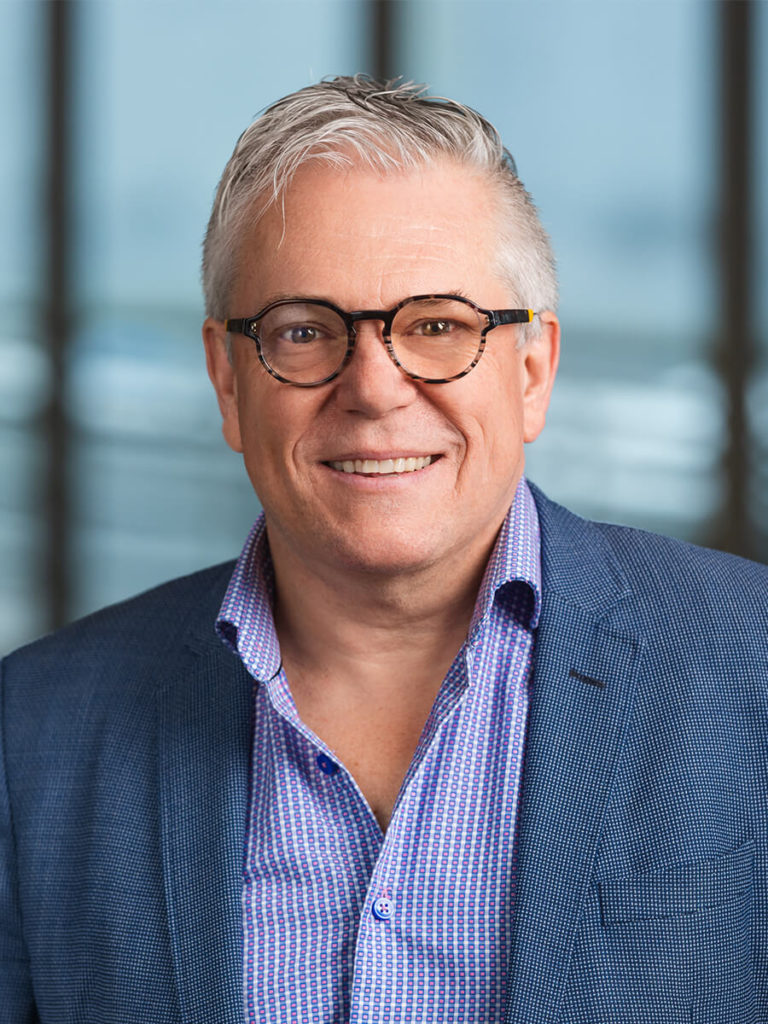
Alain Lemieux
Chief Executive Officer (CEO)

Alexia Selin
Executive Assistant
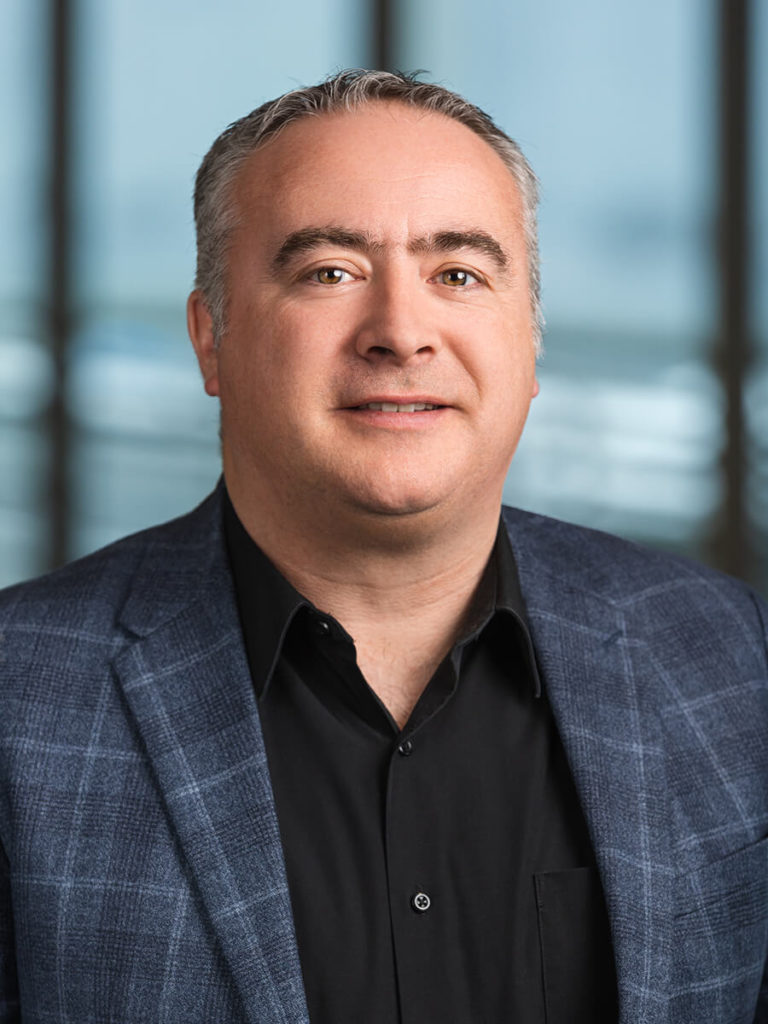
Guillaume Parenteau
Vice President, business development
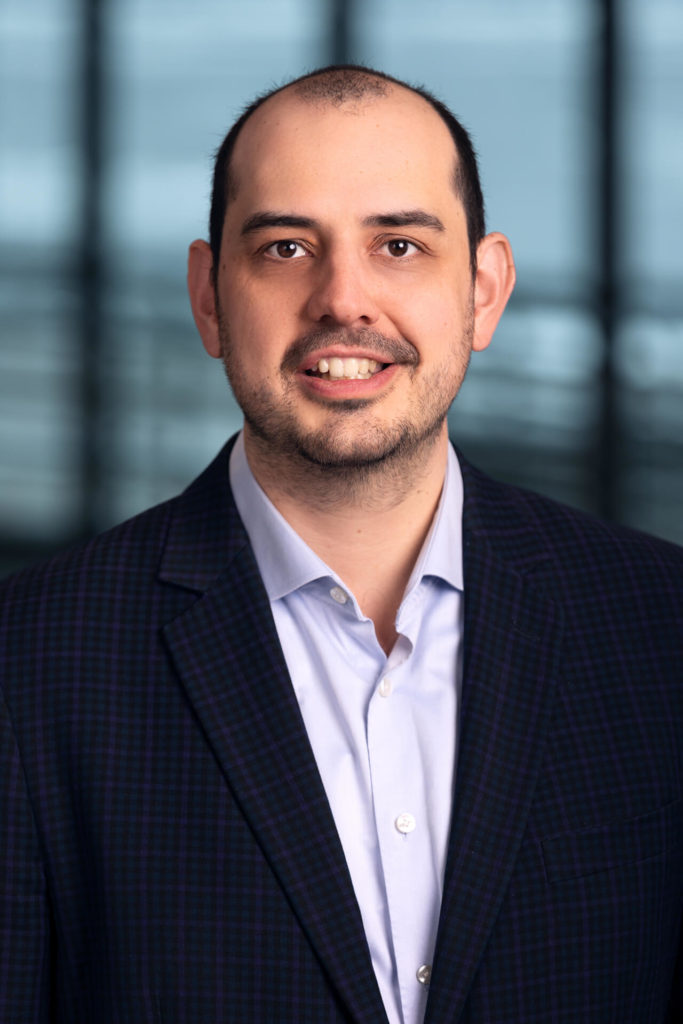
Clément Villemont
Vice-president, knowledge environment and innovation ecosystem

Cédrick Lalaizon
Strategic advisor special projects, France-Quebec exchange corridor
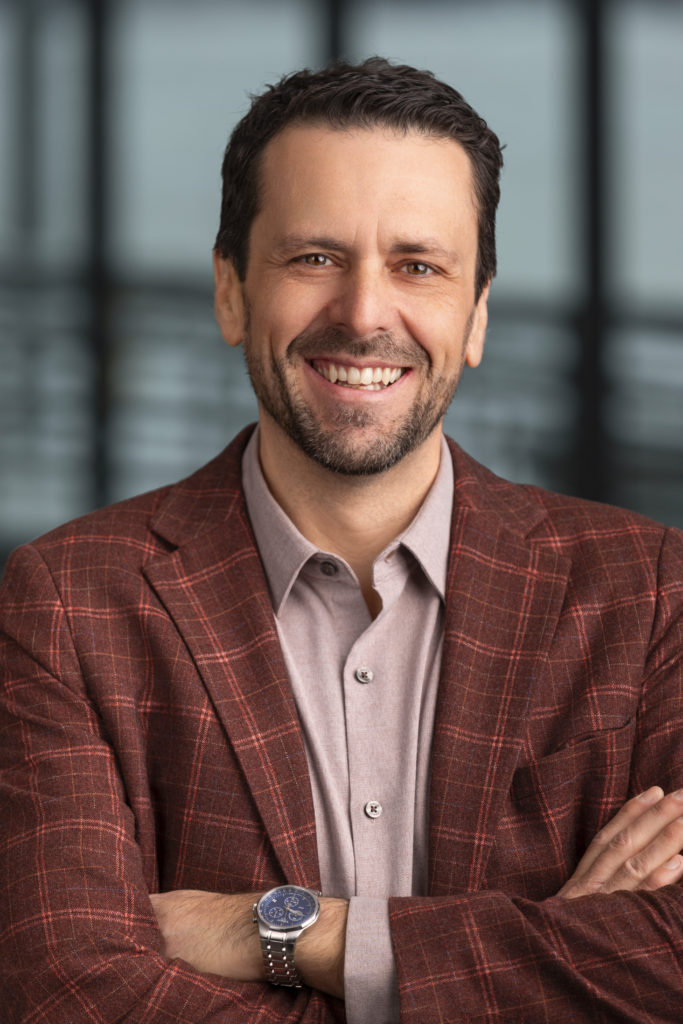
Marc-André St-Yves
Director of Partnerships and Ecosystem Engagement

Claudia Ebacher
Director of Communications, Marketing and Events
Contact us
Phone
General : info@zivte.com
Address
1000 Boulevard Arthur-Sicard,
Bécancour, G9H 2Z8